What Is Double Incision Top Surgery?
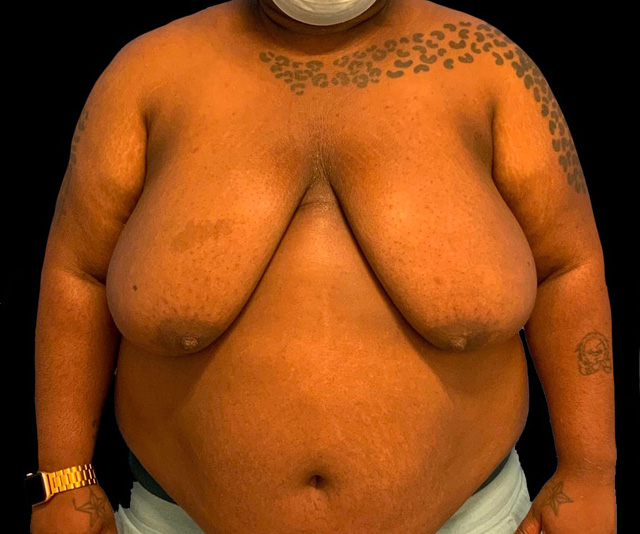
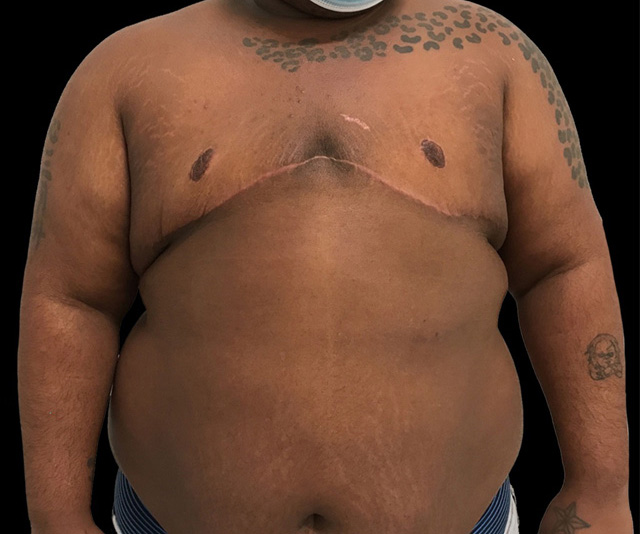
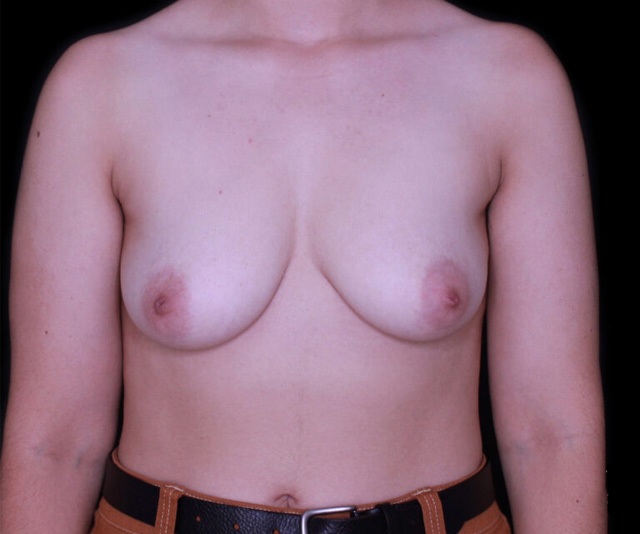
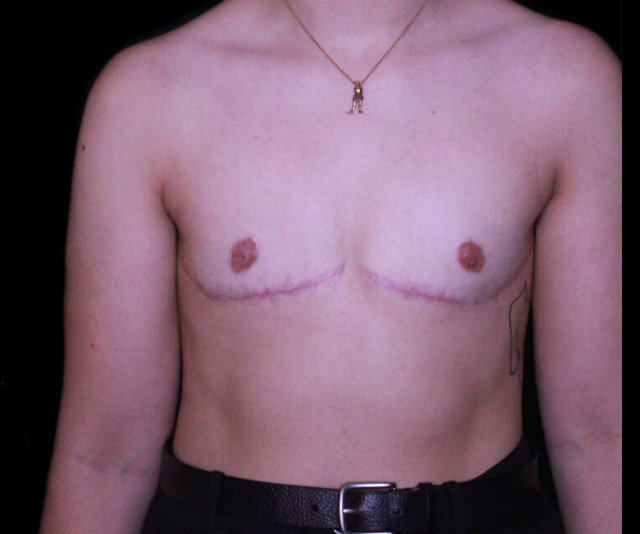
A double incision mastectomy, commonly referred to as “top surgery,” is a gender-affirming procedure that removes breast tissue and reshapes the chest to create a more masculine or non-binary appearance. This technique is the most common approach for patients with moderate size to larger chests or those seeking significant contouring. It involves two horizontal incisions along the chest, removal of excess tissue and skin, and repositioning of the nipples as free grafts to achieve a natural-looking result.
Who Are the Best Candidates?
The double incision method of top surgery is ideal for patients with a moderate to significant amount of breast tissue that needs to be removed. Patients should be healthy non-smokers with an adequate level of skin elasticity. Lastly, they should have realistic yet positive expectations for their results based on their consultation with Dr. Keith and Dr. Marano in New York City and New Jersey.
How Should I Prepare for Double Incision Top Surgery?
Preparing for FTM top surgery in NYC requires careful planning and thoughtfulness. Taking the following steps will help ensure your treatment process is seamless and stress-free:
- Provide Mental Health Letter – Many insurance providers and surgical guidelines require a letter from a qualified mental health professional confirming a diagnosis of gender dysphoria and the patient’s readiness for surgery. This letter should follow WPATH (World Professional Association for Transgender Health) standards and address the patient’s understanding of the procedure and its implications. Our team will assist in ensuring the proper language is used and the provider is appropriately credentialed
- Quit Smoking – Nicotine constricts blood vessels and significantly increases the risk of complications, including poor wound healing and tissue loss. Patients must stop using all nicotine products—including cigarettes, vapes, nicotine patches, and gum—at least 4-6 weeks before and after surgery.
- Manage Medications – You may be asked to discontinue certain medications that increase surgical risks.
Well-Controlled Medical or Mental Health Issues / - Medical Clearance – To ensure safe surgery and recovery, patients with underlying medical conditions such as diabetes, high blood pressure, or psychiatric conditions should have them well-managed. Medical clearance from a primary care provider or specialist is required.
- BMI Cutoff – There is no strict BMI cutoff for double incision top surgery at GAMMA. Every patient is evaluated individually, considering overall health and surgical goals rather than BMI alone.
- Insurance Coverage – GAMMA works with various insurance providers to help patients access gender-affirming surgery. Our team assists with insurance verification, prior authorization, and necessary documentation. Patients should check with their insurance carrier regarding coverage criteria, including mental health letters and medical clearance requirements.
- Complete Your Consultation – You will undergo a detailed consultation with Dr. Keith or Dr. Marano to ensure your expectations are realistic and your health supports the treatment process. Our team will discuss the risks and benefits, recovery and results, of top surgery.
- Schedule Help – For the first 24 – 48 hours after surgery, a responsible adult will drive you home and assist you with basic chores. You should also prepare your home environment to support your recovery process.
What to Expect On the Day of Surgery
On the day of surgery, patients should arrive at the surgical center on time and follow pre-operative fasting instructions. Here’s what to expect:
- Check-In and Pre-Op Preparation – You will check in at the surgery center and complete any final paperwork. A nurse will take your vital signs and place an IV for fluids and medications. You will meet with your surgeon for final markings on your chest, which will guide the incisions and nipple graft placement. An anesthesiologist will discuss general anesthesia and answer any questions before administering sedation.
- During the Surgery – The procedure typically lasts 2–3 hours under general anesthesia. The surgeon will make two horizontal incisions along the chest, remove excess breast tissue, contour the chest, and resize/reposition the nipples as grafts (if desired). Surgical drains will be placed to help prevent fluid buildup.
- Post-Op Recovery – After surgery, you will wake up in the recovery area, where nurses will monitor your vitals. You will be wearing a compression garment to help reduce swelling and support healing. Once you are stable and alert, you will be discharged the same day with detailed post-operative instructions.
- Leaving the Hospital or Surgery Center – A responsible adult must accompany you home or to your recovery accommodation. You cannot take public transportation or drive yourself. You may feel groggy from anesthesia, and mild discomfort is expected. Pain medication will be provided as needed. It is essential to rest, stay hydrated, and follow all aftercare instructions.
Recovery
Recovery times can vary depending on your individual healing abilities and the details of your surgery. In general, you can expect the following sequence of events:
- Pain Management – Most patients experience moderate pain in the first few days, which gradually decreases. Pain is managed with prescribed medications and over-the-counter options as needed.
- Drains – Drains are placed to prevent fluid buildup and are typically removed within 7–10 days post-surgery.
- Dressings & Showering– A compression garment or dressings will be applied immediately after surgery. This garment will stay in place until your follow up appointment. During this time, dressings must stay dry and showering is not allowed.
- Activity Restrictions: Patients must avoid heavy lifting, strenuous exercise, and raising their arms above shoulder level for the first few weeks. Light activities can be resumed once notified by your surgeon
Time Off Work – Most patients need 2–3 weeks off work, depending on their job and recovery speed. Jobs requiring heavy physical activity may require a longer recovery period.
Post-Op Appointments – Follow-up visits are crucial to monitor healing. Patients typically have appointments at 1 week, 1 month, and 6 months, and 12 months post-op. Virtual check-ins are available for out-of-town patients.
Insurance Considerations & Requirements
Insurance carriers will typically cover gender affirmation surgery, including FTM top surgery, when it is performed to treat gender dysphoria, a condition in which the patient’s outer traits do not reflect their authentic gender identity. You’ll need a letter from a mental health provider detailing your decision to undergo top surgery. Our team can go over the insurance requirements in greater detail during your consultation.
Traveling from Outside the NYC Area
- Resources – For patients traveling to NYC for surgery, GAMMA provides recommendations for LGBTQ+ friendly accommodations, post-op caregivers, and recovery services. Our team can also assist with logistics such as medical transport and aftercare arrangements.
- Requirements – Out-of-town patients must plan to stay in NYC for at least two weeks after surgery to ensure proper healing and attend necessary post-operative appointments. We encourage having a trusted friend, family member, or professional caregiver for the first few days post-surgery.
What Sets Us Apart?
Our team at Gender Affirming Medical and Microsurgical Associates (GAMMA) in New York City and New Jersey is known for providing the highest-level care in an affirming environment. We utilize today’s most progressive and cutting-edge techniques to provide the highest level of service possible. Our goal is to help transgender, nonbinary, and gender nonconforming individuals achieve their unique appearance goals and thrive with confidence, security, and peace of mind.
Dr. Drew Marano
Dr. Drew Marano is an accomplished, board- certified, and fellowship-trained plastic and reconstructive surgeon who has devoted his career to the art of gender affirmation surgery. He graduated from Rutgers New Jersey Medical School at the top of his class, receiving AOA honors before embarking on a competitive six-year Integrated Plastic and Reconstructive Surgery Residency at Columbia University/Cornell University in New York City. Following his residency, Dr. Marano was selected as the first-ever Harvard University Complex Gender and Microsurgery Fellow, during which time he underwent advanced training in groundbreaking and innovative surgical techniques. He is a prolific author, researcher, and lecturer who has contributed to over 40 publications and presentations at regional and national meetings. Dr. Marano offers ongoing support for transgender patients as they navigate their unique and rewarding journey of transitioning.
Dr. Jonathan Keith
Dr. Jonathan Keith is a renowned, fellowship-trained, board-certified plastic surgeon known for his progressive approach to microvascular surgery. He is an active member of the World Professional Association for Transgender Health and the founder of the Rutgers Center for Transgender Health. In 2018, Dr. Keith created the first multidisciplinary clinical program for transgender patients in New Jersey and was the first surgeon in the state to perform a female-to-male phalloplasty for gender affirmation. Regarding his extensive educational background, Dr. Keith completed a demanding seven-year residency at the University of Pittsburgh, one of the nation’s most elite and well-regarded plastic surgery training programs. As a testament to his skill and artistry, in 2012, he received the Stephen S. Kroll Fellowship in microsurgery at the University Hospital of Gent, Belgium. Today, Dr. Ketih performs a range of complex and delicate procedures to assist transgender and nonbinary individuals in achieving their ideal appearance, including DIEP flaps for breast reconstruction, vaginoplasty, and phalloplasty.
What Are the Risks Associated with Double Incision Top Surgery?
While double incision top surgery is generally safe, all surgical procedures carry some risks. Understanding potential complications helps patients make informed decisions.
- Pain – Postoperative discomfort is common but manageable with prescribed medications and proper rest.
- Hematoma – A collection of blood under the skin that may require drainage.
- Seroma – A buildup of fluid that may need aspiration in follow-up visits.
- Infection – Rare but can be treated with antibiotics or, in severe cases, additional procedures.
- Wound Separation / Graft Loss – Incisions or nipple grafts may take time to heal, with a small risk of partial tissue loss.
- Dogears or Contour Irregularities – Excess tissue at the incision ends may require revision surgery.
- Sensation Loss – Temporary or permanent changes in chest sensation are possible.