What Is Feminizing Septorhinoplasty?
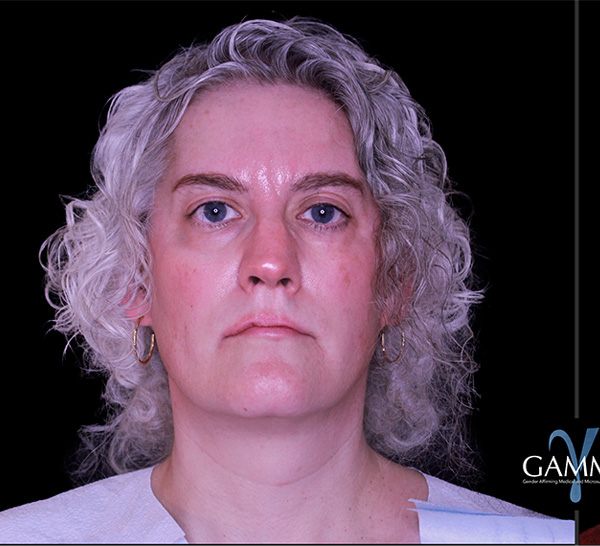
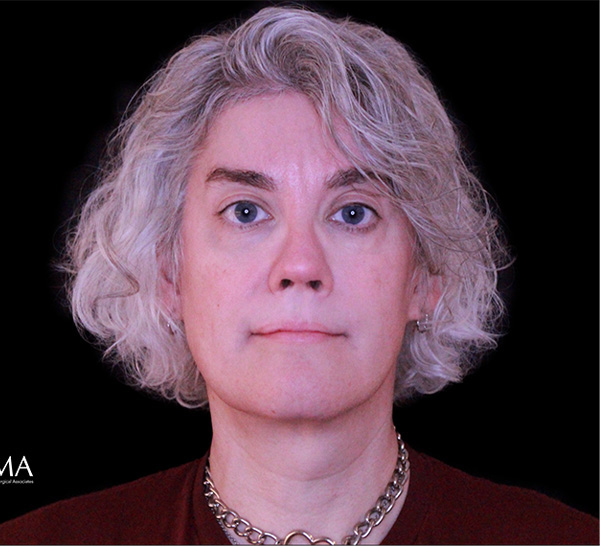
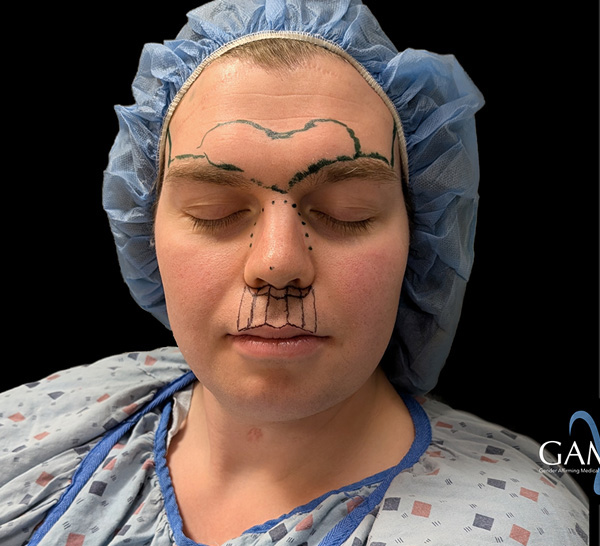
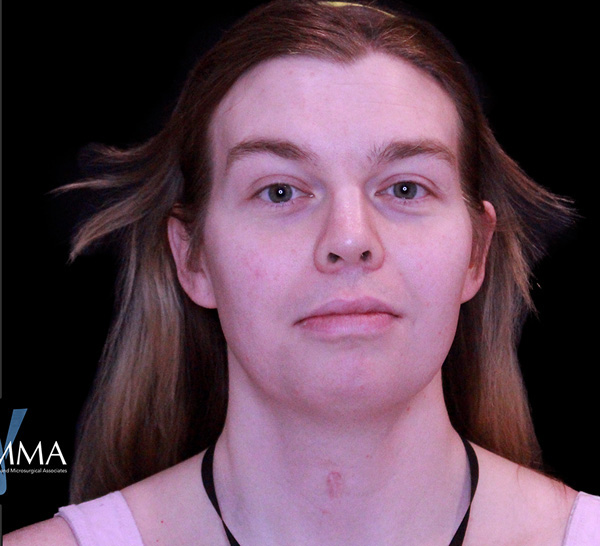
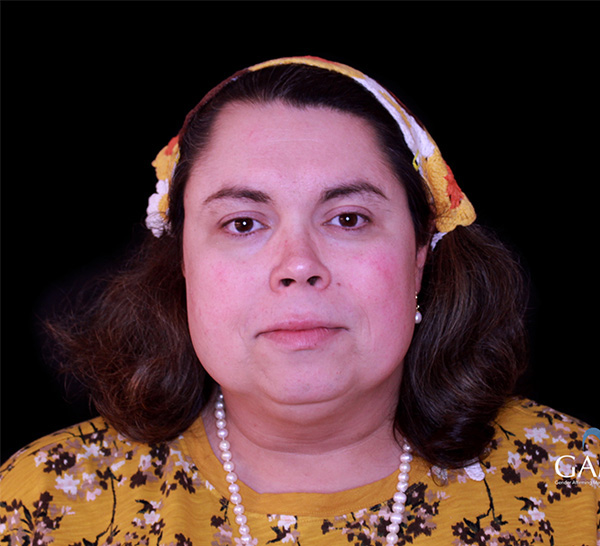
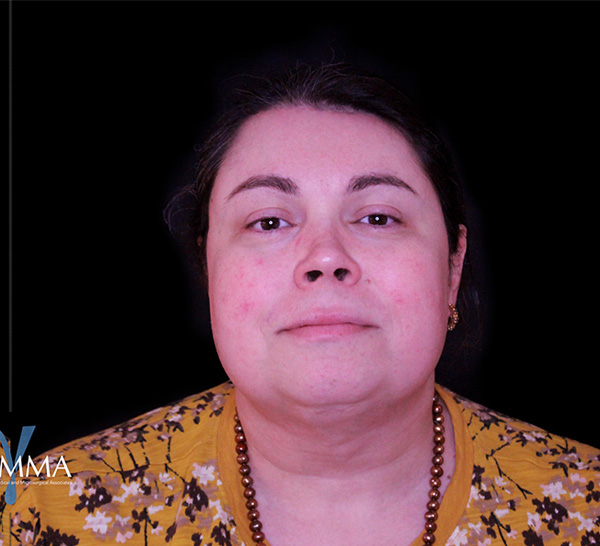
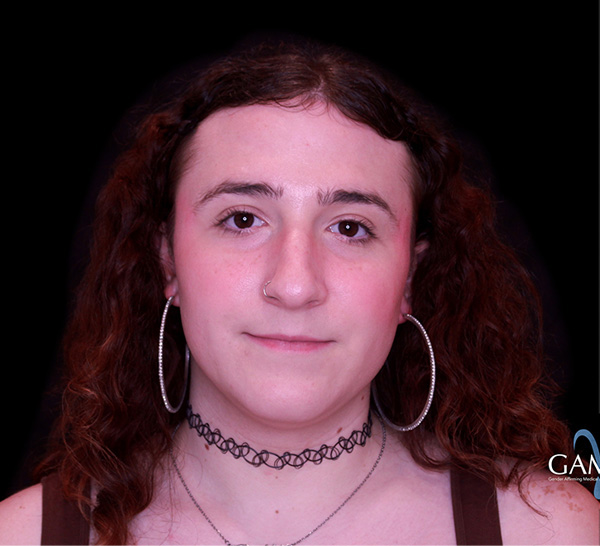
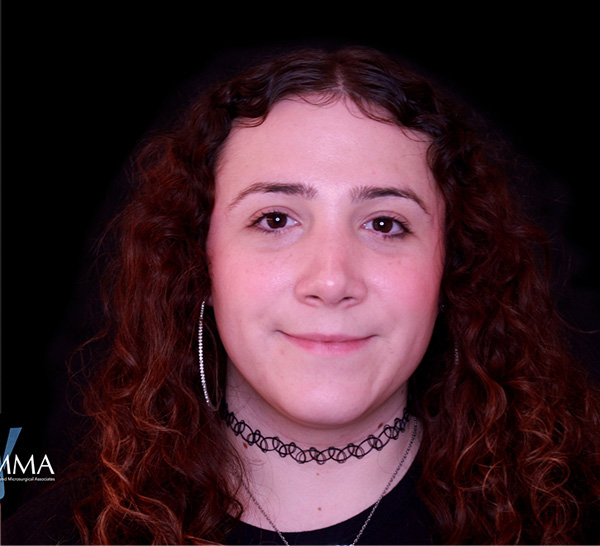
Feminizing septorhinoplasty involves precise modifications to the nasal bones, cartilage, and soft tissue to achieve a more delicate, traditionally feminine nose. The procedure is customized to each patient’s unique facial structure and transition goals.
Types of Rhinoplasty?
Masculine vs. Feminine Nasal Features
- Masculine noses tend to be larger, with a higher dorsum (bridge), wider nasal bones, and a more prominent, less refined tip.
- Feminine noses are generally smaller, with a lower, softer dorsum, a narrower bridge, and a more delicate, refined tip that may have a slight upward rotation.
Aesthetic Adjustments for Feminization
- Shortening the height of the nose to reduce overall nasal prominence.
- Narrowing the width of the nose by refining the nasal bones and cartilage.
- Refining the tip by reshaping and reducing cartilage to achieve a softer, more delicate appearance.
Surgical Procedure
The specifics of the surgery depend on the patient’s nasal structure and goals. Feminizing septorhinoplasty can be performed using either an open or closed approach, depending on the complexity of the modifications needed.
- Controlled fractures (osteotomies) are performed to narrow the nose if the nasal bones are wide.
- Dorsal hump reduction is done when a prominent bump on the nasal bridge needs to be smoothed.
- Cartilage reshaping refines the nasal tip, reducing width and creating a more delicate contour.
- Septoplasty corrects any deviations or obstructions in the nasal septum, improving breathing function while supporting the new shape of the nose.
Who Are the Best Candidates?
Orbital contouring is an excellent option for facial feminization patients who wish to reshape their nasal anatomy to better reflect their unique individuality and gender expression. It can be performed on MTF, nonbinary, and gender nonconforming individuals seeking a softer look in the midface. Multiple variables are involved in determining candidacy for the procedure. Patients with medical issues that could heighten the risk of complications may not qualify for rhinoplasty.
Dr. Marano and Dr. Keith will conduct a private consultation that includes a detailed physical assessment and medical review to ensure no contraindications are present and that the surgery will be safe, successful, and rewarding for you.
You may not be a good candidate for orbital contouring in at GAMMA in New York City and New Jersey if you have any of the following characteristics:
- Transfeminine and nonbinary individuals experiencing gender dysphoria related to nasal shape.
- Patients who feel their nose appears too prominent, wide, or masculine.
- Individuals with nasal obstruction or difficulty breathing due to a deviated septum.
- Those in good overall health with realistic expectations about the outcome.
How Should I Prepare for Rhinoplasty?
The first step in exploring a feminizing septorhinoplasty is to meet with Dr. Marano or Dr. Keith for a private consultation at GAMMA in New York City or New Jersey. During this time, you will discuss your goals and medical history with our team, who will then create a customized treatment plan according to your unique anatomy, comfort levels, and goals. Prior to consultation, you should ensure the following:
- Provide Mental Health Letter – Many insurance providers and surgical guidelines require a letter from a qualified mental health professional confirming a diagnosis of gender dysphoria and the patient’s readiness for surgery. This letter should follow WPATH (World Professional Association for Transgender Health) standards and address the patient’s understanding of the procedure and its implications. Our team will assist in ensuring the proper language is used and the provider is appropriately credentialed
- Quit Smoking – Nicotine constricts blood vessels and significantly increases the risk of complications, including poor wound healing and tissue loss. Patients must stop using all nicotine products—including cigarettes, vapes, nicotine patches, and gum—at least 4-6 weeks before and after surgery.
- Manage Medications – You may be asked to discontinue certain medications that increase surgical risks.
- Well-Controlled Medical or Mental Health Issues / Medical Clearance – To ensure safe surgery and recovery, patients with underlying medical conditions such as diabetes, high blood pressure, or psychiatric conditions should have them well-managed. Medical clearance from a primary care provider or specialist is required.
- BMI Cutoff – There is no strict BMI cutoff for FFS at GAMMA. Every patient is evaluated individually, considering overall health and surgical goals rather than BMI alone.
- Insurance Coverage – GAMMA works with various insurance providers to help patients access gender-affirming surgery. Our team assists with insurance verification, prior authorization, and necessary documentation. Patients should check with their insurance carrier regarding coverage criteria, including mental health letters and medical clearance requirements.
- Complete Your Consultation – You will undergo a detailed consultation with Dr. Marano or Dr. Keith to ensure your expectations are realistic and your health supports the treatment process. Our team will discuss the risks and benefits, recovery and results, of FFS.
What to Expect On the Day of Surgery
On the day of surgery, you will be given general anesthesia to ensure comfort throughout the procedure. A septorhinoplasty is typically a same-day surgery when performed alone. However it is typically done in conjunction with other FFS procedures. The length of the surgery will depend on what other procedures you are undergoing that day. Once the procedure is complete, you will be closely monitored in a recovery room before being discharged.
Recovery
The recovery process is essential for ensuring optimal healing and achieving the best possible results.
- External nasal splint – A splint is placed on the nose immediately after surgery and remains in place for one week to support healing and maintain the new nasal structure.
- Keeping the nose dry – Patients must avoid getting the splint wet; showers should be limited to below the neck.
- Activity restrictions – Strenuous activity should be avoided for 2-4 weeks to prevent complications.
- Avoiding pressure on the nose – Glasses should not be worn for four weeks, and patients should avoid direct pressure on the nose.
- Nasal congestion – Common after surgery due to swelling. Patients should avoid blowing their nose for two weeks and use humidified air to help break up mucus.
- Post-operative follow-up – Stitches and splints are typically removed at the one-week post-op appointment.
- Swelling management – Keeping the head elevated while sleeping can help minimize swelling. Final results can take up to 12-18 months to fully settle.
Risks and Complications
As with any surgical procedure, feminizing septorhinoplasty carries some risks. Potential complications include:
- Bleeding – Some minor bleeding is normal in the first few days.
- Infection – Rare but possible, requiring prompt medical attention.
- Asymmetry or contour irregularities – Some degree of swelling and asymmetry is normal during healing, but in rare cases, revision surgery may be needed.
- Difficulty breathing – Although septoplasty aims to improve breathing, temporary congestion and swelling are common in the early healing phase.
- Persistent swelling – Swelling gradually resolves over several months, but minor residual swelling can persist for up to a year.
Feminizing septorhinoplasty is a powerful procedure that can significantly enhance gender affirmation and facial harmony. By refining the nose’s structure, this surgery helps align external appearance with gender identity, improving both confidence and quality of life.
Insurance Considerations & Requirements
When gender dysphoria is present in patients, insurance companies may cover procedures related to facial feminization, including rhinoplasty. If you are a trans woman or a nonbinary/gender non-conforming individual and you would like to pay using insurance, you will likely require a letter from a licensed mental health professional outlining your decision to undergo FFS. You will also need to show that you have been taking feminizing HRT for at least one year.
What Sets Us Apart?
At Gender Affirming Medical and Microsurgical Associates (GAMMA), we provide inclusive, life-changing care for patients seeking gender-affirming procedures in New York City and New Jersey. Every treatment is customized to your unique goals, comfort levels, and aesthetic sensibilities, allowing you to express your most authentic self and enjoy the confidence that comes with a more feminine appearance.
Dr. Marano
Dr. Drew Marano is a fellowship-trained plastic and reconstructive surgeon known for his consummate artistry in the complex field of gender affirmation surgery. After graduating at the top of his class with honors from Rutgers New Jersey Medical School, Dr. Marano embarked on a six-year Integrated Plastic and Reconstructive Surgery Residency at Columbia University/Cornell University in New York City. He continued to hone his skills in gender affirmation surgery as the first-ever Harvard University Complex Gender and Microsurgery Fellow, receiving in-depth training in cutting-edge techniques. Dr. Marano is also a prolific author and lecturer, having contributed to over 40 publications and presentations at regional and national meetings. He is dedicated to providing his transgender, nonbinary, and gender non-conforming patients with the support they need and deserve as they navigate the exciting journey of transitioning.
Dr. Keith
Dr. Jonathan Keith is a fellowship-trained and board-certified plastic surgeon who excels in microvascular surgery’s delicate, complex art. He is a member of the World Professional Association for Transgender Health and created the Rutgers Center for Transgender Health. In 2018, Dr. Keith founded the first multidisciplinary clinical program for transgender patients in New Jersey and was the first provider in the state to perform a female-to-male phalloplasty for gender confirmation. Dr. Keith is also a prolific author, frequently contributing to medical journals, publications, and scientific literature. To refine his skills, he completed a prestigious seven-year residency at the University of Pittsburgh, one of the nation’s most elite plastic surgery training programs. 2012 Dr. Keith was honored with the Stephen S. Kroll Fellowship in microsurgery at the University Hospital of Gent, Belgium. Today, Dr. Keith has mastered the innovative, cutting-edge techniques required to create nuanced and natural-looking changes for his transgender, nonbinary, and gender non-conforming patients. He is one of the most accomplished surgeons in the region, currently performing DIEP flap surgery for breast reconstruction, vaginoplasty, and phalloplasty.